
Scaling your restaurant without a solid marketing foundation is a costly gamble. Many growing brands rush into expansion without a clear restaurant marketing strategy that aligns with their goals. Before you open new locations, you need a checklist that covers brand positioning, guest acquisition, and unit economics marketing. This post breaks down what a restaurant fractional CMO brings to the table and why Wingman CMO is the partner you want by your side. Book a 30-minute Growth Readiness Consultation to start building your custom expansion plan today.
Importance of Brand Positioning
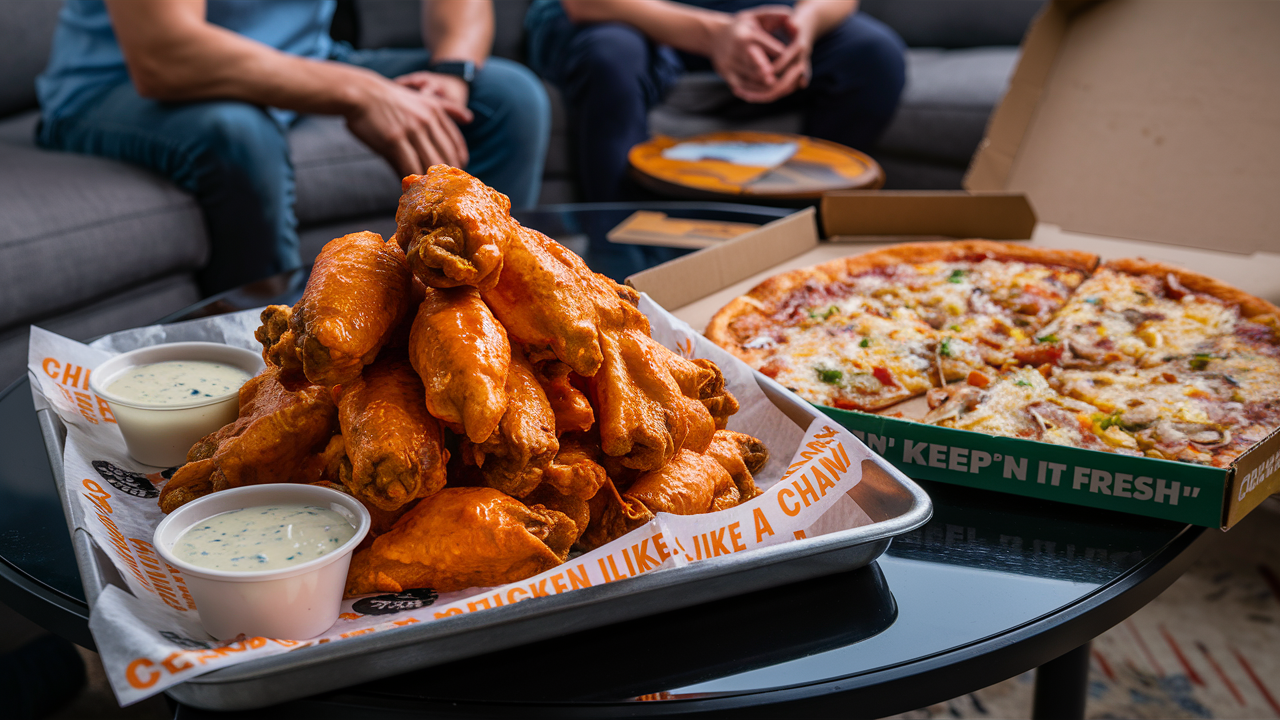
Brand positioning is about defining how your restaurant stands out. You want your guests to pick you over the competition. Think about what makes your place unique. Is it your menu, your service, or the atmosphere? Highlight these features in your messaging. For example, if your restaurant is known for its cozy, family-friendly vibe, use that imagery in your promotions. This clarity not only attracts guests but also builds loyalty over time.
Crafting a Go-To-Market Plan
To succeed, you need a solid go-to-market plan. This plan outlines how you'll launch and promote your restaurant. Start by identifying your target market. Know their preferences and dining habits. Then, decide how to reach them. Is it through social media, local events, or partnerships with nearby businesses? Next, set a budget. Know how much you're willing to spend to achieve your goals. A well-thought-out plan guides your efforts and keeps your team focused.
Building a Local Store Marketing Strategy
Local store marketing is essential for drawing neighborhood guests. It involves engaging directly with your community. Perhaps host a tasting event or partner with local schools for fundraisers. These activities create buzz and word-of-mouth promotion. Flyers, local online ads, and community newsletters also spread your message. The focus should be on making your restaurant a local favorite. This grassroots approach helps build a steady stream of regular guests.
Operational Readiness for Expansion

With marketing foundations in place, you need to ensure operational readiness. This means your restaurant can handle growth without a hitch.
Understanding Unit Economics Marketing
Unit economics involves understanding the financial health of each location. It's about knowing your costs and revenues per unit. Calculate metrics like cost per meal and average guest spend. This data helps in pricing decisions and cost management. By keeping a close eye on unit economics, you can make informed decisions about opening new locations. It ensures every new restaurant adds value to your brand.
CRM and Loyalty Program Essentials
A strong CRM system and loyalty program keep guests coming back. Your CRM should track guest preferences and past visits. This data allows personalized service, enhancing guest satisfaction. Loyalty programs reward repeat visits. Offer points for each dollar spent or special discounts for members. These programs nurture guest relationships and encourage frequent visits, increasing lifetime value.
Designing a Marketing Tech Stack
A marketing tech stack is your toolkit for digital success. It includes platforms and tools for social media management, email marketing, and analytics. Choose tools that integrate well, offering a seamless workflow. They should provide insights into customer behavior and campaign performance. With the right tech stack, you can automate processes, target audiences effectively, and measure results with precision.
Strategies for Scaling Franchise Brands
When your brand is ready to scale, focus on strategies that support growth across multiple locations.
Franchise Development and Marketing
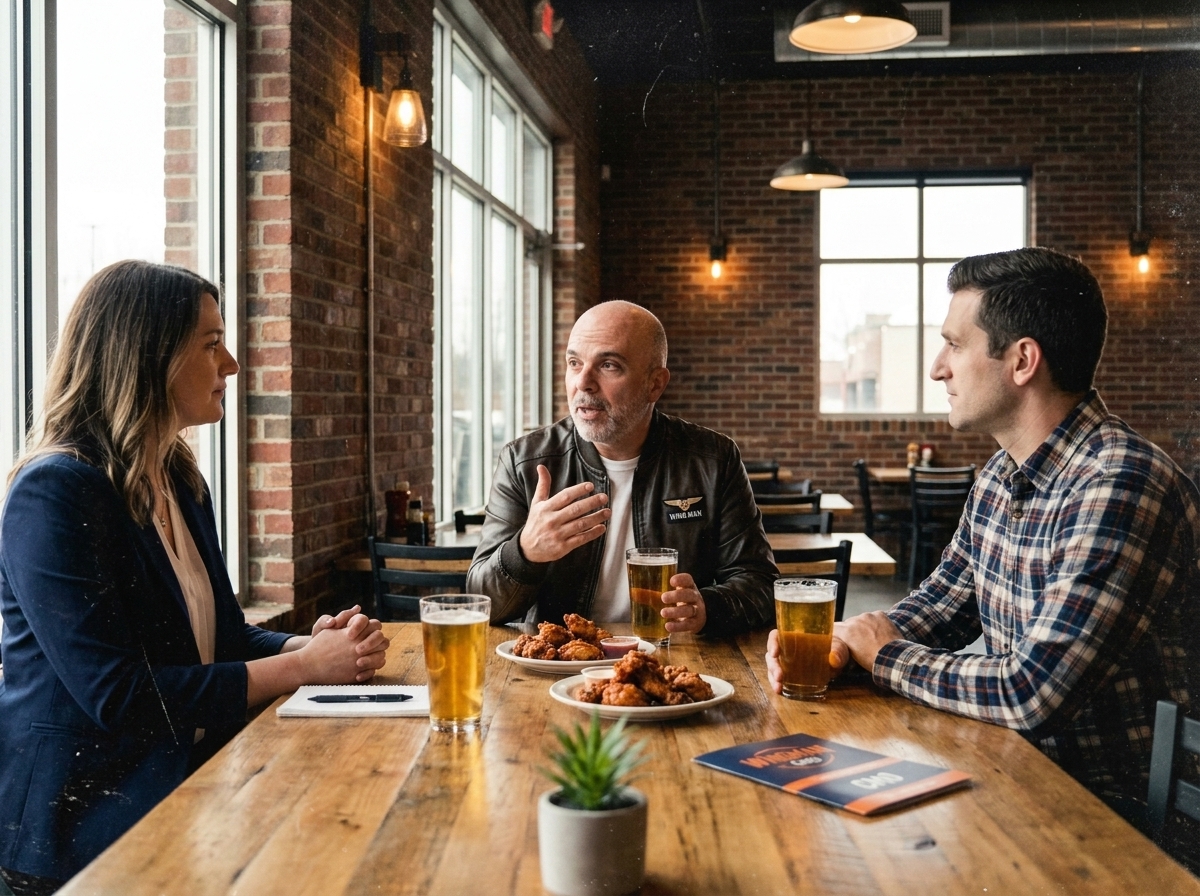
Franchise development requires a strong recruitment strategy. You need to attract the right franchisees. Clear guidelines and support systems are crucial. Marketing efforts should highlight your brand's strengths and potential for success. Show franchisees how they can benefit from joining your network. A well-structured franchise program leads to consistent brand growth and ensures every new location maintains your standards.
Multi-Unit Marketing Leadership Tactics
Managing multiple locations demands strong leadership. Set clear marketing goals for each unit, but adapt strategies to local markets. Share successful tactics across your franchise network. Regular communication and training ensure everyone is aligned with your brand vision. This collaborative approach maximizes the strengths of each location, driving overall success.
Digital Advertising for Restaurants
Digital advertising is key to reaching a broad audience. Use platforms like Google Ads and Facebook to target specific demographics. Create ads that highlight your restaurant's unique features and promotions. Track ad performance and adjust as needed for the best results. Digital ads expand your reach, attracting new guests and keeping your restaurant top of mind.
In conclusion, setting a strong marketing and operational foundation is crucial for any restaurant looking to expand. By focusing on brand positioning, local marketing, and operational readiness, you can ensure a successful growth journey.
I'm Justin Egan, fractional CMO and Co-Founder of Wing It On!, successfully guiding the brand from startup to acquisition. With over 20 years of marketing leadership experience at Fortune 500 companies and innovative startups, I specialize in helping visionary founders turn creative ideas into measurable marketing success.
Let's connect and collaborate — find me on LinkedIn to start the conversation.